Vietnam in 2026: The Adventure Is Real, and So Is the Risk
Vietnam has cemented itself as one of the most compelling backpacking destinations on the planet. The Ha Giang Loop winds through limestone karst mountains in the far north, Mekong Delta homestays put you inside rural Vietnamese life in a way that no hotel ever could, and a rented motorbike from Hoi An opens up coastal roads that feel genuinely off the beaten track. For UK backpackers, 2026 is shaping up to be a bumper year for Southeast Asia travel, with Vietnam firmly at the top of the list.
Yet buried beneath the gushing itinerary posts and budget travel guides is a health risk that almost nobody talks about plainly. Vietnam has one of the highest rabies mortality rates in Asia. More than 80 people die from rabies in the country every year. The animals responsible are overwhelmingly dogs, and they are everywhere on the rural routes that backpackers love most. A single bite, scratch, or lick on broken skin from an infected animal is enough. Once rabies symptoms appear, survival is essentially impossible. The window for effective treatment is measured in hours, not days, and in rural Vietnam that window is brutally short.
Most backpackers flying out of the UK have no idea. This article is written for the ones who want to know.
Understanding the Rabies Risk in Vietnam
Rabies is a viral infection that attacks the central nervous system. It is transmitted through the saliva of an infected animal, most commonly via a bite, though a scratch or a lick on broken skin can also constitute exposure. In Vietnam, dogs are responsible for the overwhelming majority of human cases, but cats, monkeys, and bats are also confirmed carriers. The disease is endemic across both rural and urban areas of the country.
Vietnam records an estimated 70 to 80 human rabies deaths every year, and thousands more animal exposures requiring post-exposure prophylaxis (PEP). Those figures represent confirmed deaths; the true number of exposures is far higher, as many rural incidents go unreported. For backpackers specifically, the risk is elevated by the nature of the travel itself. Popular routes such as the Ha Giang Loop, the Central Highlands, and the Mekong Delta pass through agricultural communities with large populations of unvaccinated stray dogs. Motorbike travel increases the frequency of animal encounters. Homestays place travellers in direct proximity to village animals, including dogs tethered near sleeping areas and cats that move freely through accommodation.
Without pre-exposure vaccination, any confirmed or suspected exposure requires immediate PEP. That means rabies immunoglobulin injected into and around the wound site within hours, followed by a series of vaccine doses over the following days. Reliable stocks of rabies immunoglobulin are frequently unavailable at rural clinics in Vietnam. The practical implication is stark: a bite in a remote village can trigger a race to Hanoi or Ho Chi Minh City that takes the better part of a day, eating into a treatment window that should not be gambled with.
Where Backpackers Actually Get Bitten
These are not hypothetical scenarios lifted from a medical textbook. They are the kinds of situations that UK travellers routinely encounter on Vietnamese backpacker routes.
A solo traveller riding the Ha Giang Loop is bitten by a stray dog outside a small village guesthouse. The nearest hospital with confirmed rabies immunoglobulin stock is four hours away by road. Every hour spent sourcing a vehicle, navigating mountain roads in the dark, and waiting at rural health posts is an hour the virus can travel closer to the central nervous system.
A traveller staying in a Mekong Delta homestay wakes up with what might be a cat scratch on their forearm. The cat was sleeping near their bedding. They cannot be certain whether the scratch broke the skin during the night. That uncertainty alone requires medical assessment, and the nearest facility capable of assessing the exposure properly is a significant journey away.
At a monkey temple near Ninh Binh, a backpacker is bitten while posing for a photograph. The macaques at popular tourist sites are handled constantly by visitors and can carry rabies. Rural clinics in the vicinity turn out to have no vaccine stock at all, directing the traveller to a city facility six hours by bus.
A motorbike crash on a rural road near Hoi An leaves a traveller with road rash. A stray dog at the scene investigated the wounds. The question of whether saliva reached broken skin is unanswerable, but the clinical guidance is unambiguous: treat it as a potential exposure.
None of these travellers were doing anything reckless. They were doing exactly what their itineraries were built around.
Why Rabies Demands a Different Level of Respect
Most travel health risks sit somewhere on a spectrum. A bout of traveller’s diarrhoea is unpleasant but manageable. Even dengue fever, serious as it is, comes with treatment options and recovery pathways. Rabies is categorically different.
Once clinical symptoms appear, rabies is virtually 100% fatal. There is no effective treatment at that stage. The only documented survivors of symptomatic rabies number in the single digits globally, and their outcomes involved exceptional and largely unrepeatable clinical interventions. For every practical purpose, a symptomatic rabies infection is a death sentence.
The post-exposure treatment protocol is both time-critical and logistically demanding. Rabies immunoglobulin must be administered as close to the time of exposure as possible, ideally within hours. A multi-dose vaccine series must begin immediately and continue over the following fortnight. Without pre-exposure vaccination, the protocol requires both immunoglobulin and the vaccine series. With pre-exposure vaccination already completed, immunoglobulin is no longer required and only two booster doses are needed. That distinction matters enormously in rural Vietnam, where immunoglobulin is the component least likely to be in stock at local clinics.
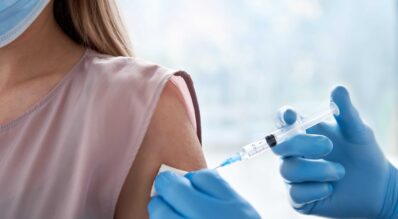
Pre-exposure vaccination does not make you immune to rabies. What it does is remove the most urgent, least-available part of the treatment equation, buying time and simplifying the response to a manageable set of vaccine doses rather than a frantic search for a specialist product that may not exist within four hours of where you are standing.
The financial reality is also worth confronting. Emergency medical evacuation from rural Vietnam to a city with a reliable international clinic can cost between £5,000 and £15,000, depending on the situation. That figure does not account for the disruption to your trip, the psychological weight of racing against a fatal infection in a country whose language you do not speak, or the lifelong anxiety that many travellers carry after the experience. The three-dose pre-exposure course at a UK travel clinic costs typically between £180 and £240. The comparison is uncomfortable to ignore.
Why Rabies Gets Left Off the Packing List
Adventure travel content is, by its nature, aspirational. The blogs and social channels that document Vietnam backpacking routes are focused on the passes, the sunsets, the local food, and the freedom of two wheels on an open road. Rabies does not fit that narrative, so it tends not to appear in it.
Several other factors compound the problem. Many travellers assume that rabies is rare or that infected animals look obviously unwell. Neither is accurate. Healthy-appearing dogs can carry and transmit rabies. The viral shedding that makes an animal infectious can precede visible symptoms by days. There is no reliable way to assess an animal’s rabies status from its behaviour at the point of contact.
The timeline for pre-exposure vaccination is also a hidden barrier. The standard three-dose course is administered on days zero, seven, and 21 to 28. A traveller who books their Vietnam trip six weeks out may not realise they need to start the vaccine course almost immediately to complete it before departure. Those who discover this at the four-week mark may feel the ship has sailed, when in fact an accelerated schedule or partial course may still provide meaningful benefit. A travel health consultation is the only reliable way to understand what is achievable within a given timeline.
Budget is a genuine concern for backpackers, and it is understandable that a cost of nearly £200 feels significant when you are trying to stretch funds across several months of travel. The difficulty is that this particular saving carries a catastrophic downside risk that no travel budget should absorb.
Assessing Your Own Exposure Risk
Not every Vietnam trip carries identical risk, though the threshold for recommending pre-exposure vaccination is lower than most travellers expect. Ask yourself the following questions honestly before deciding whether vaccination is appropriate for your itinerary.
- Will you spend time in rural areas, villages, or agricultural regions away from major cities?
- Are you planning to ride a motorbike on rural roads, where encounters with stray dogs are routine?
- Are you visiting wildlife sites, monkey temples, bat caves, or areas with known primate populations?
- Will you stay in homestays, budget guesthouses, or community accommodation with animals on site?
- Does your itinerary include multi-day treks in remote areas where emergency medical access is limited?
If any of those apply, pre-exposure vaccination is not optional in any meaningful sense. It is the appropriate clinical response to your itinerary.
Even travellers who plan to stay largely in Hanoi or Ho Chi Minh City should consider the baseline risk. Stray dog populations exist in both cities, and itineraries have a way of expanding into rural day trips and unplanned detours. A trip that begins in a city hostel can include a rural motorcycle excursion by day three. The risk does not switch on the moment you leave the city limits; it is present throughout.
How Healthpoint Prepares You for the Real Journey
At Healthpoint, our travel health consultations are built around your actual itinerary, not a generalised country risk profile. When a traveller comes to us planning a Vietnam backpacking trip, we work through the specific routes, accommodation types, and activities they have in mind. That conversation shapes the advice we give and ensures you leave with protection matched to the trip you are actually taking, not a tick-box exercise.
We offer the full three-dose rabies pre-exposure course at both our Bewdley and Colwall clinics. Appointment scheduling is designed to fit around your departure timeline, and if you are working with a shorter window than the standard 28-day course allows, we will explain clearly what accelerated schedules are available and what level of protection each provides. There are no scare tactics and no pressure to purchase vaccines that do not fit your circumstances. What we offer is frank, qualified clinical advice and the vaccinations to back it up.
Every vaccination we administer is documented in a format suitable for travel, so that any clinician treating you abroad understands your immunisation status immediately. For rabies specifically, that record can be the difference between a two-dose booster protocol and a far more complicated emergency treatment pathway.
We also cover the practical steps for what to do if exposure occurs despite vaccination: wound washing with soap and water for a minimum of 15 minutes, seeking medical attention immediately regardless of vaccination status, and identifying in advance the nearest reputable international clinics on your route. Preparation does not end with the injection; it includes knowing how to respond if something goes wrong.
Go Prepared, Not Just Optimistic
Vietnam deserves every word written about it as a backpacking destination. The roads through Ha Giang are genuinely extraordinary. Mekong Delta life is unlike anything available in a hotel corridor. The food, the people, and the scale of the country reward travellers who go deep rather than staying on the tourist circuit.
The backpackers who come home with the best stories are also the ones who prepared for the risks they were genuinely going to face. Rabies pre-exposure vaccination is the single most important step for rural Vietnam travel, and it is one that too many UK travellers skip, not because they weighed the risk and dismissed it, but because they never saw it framed plainly enough to register.
Book your travel health consultation at Healthpoint at least eight weeks before your departure date. That timeline allows the full pre-exposure course to be completed comfortably, with space for any scheduling adjustments. Come in with your itinerary, your dates, and your questions. We will make sure you leave protected for the adventure you have planned.
You can find us at 66 Load Street, Bewdley, DY12 2AW, or at Fletton House, Walwyn Road, Malvern, WR13 6QG. Contact details and booking options are available at healthpointpharmacy.uk.