Most UK travellers to Egypt don’t need any compulsory vaccines. Hepatitis A and an up-to-date tetanus booster are recommended for most people. Egypt was certified malaria-free in 2024, so no tablets are needed. A Nile cruise usually calls for more protection than a Red Sea resort stay, with typhoid and rabies more likely to be advised.
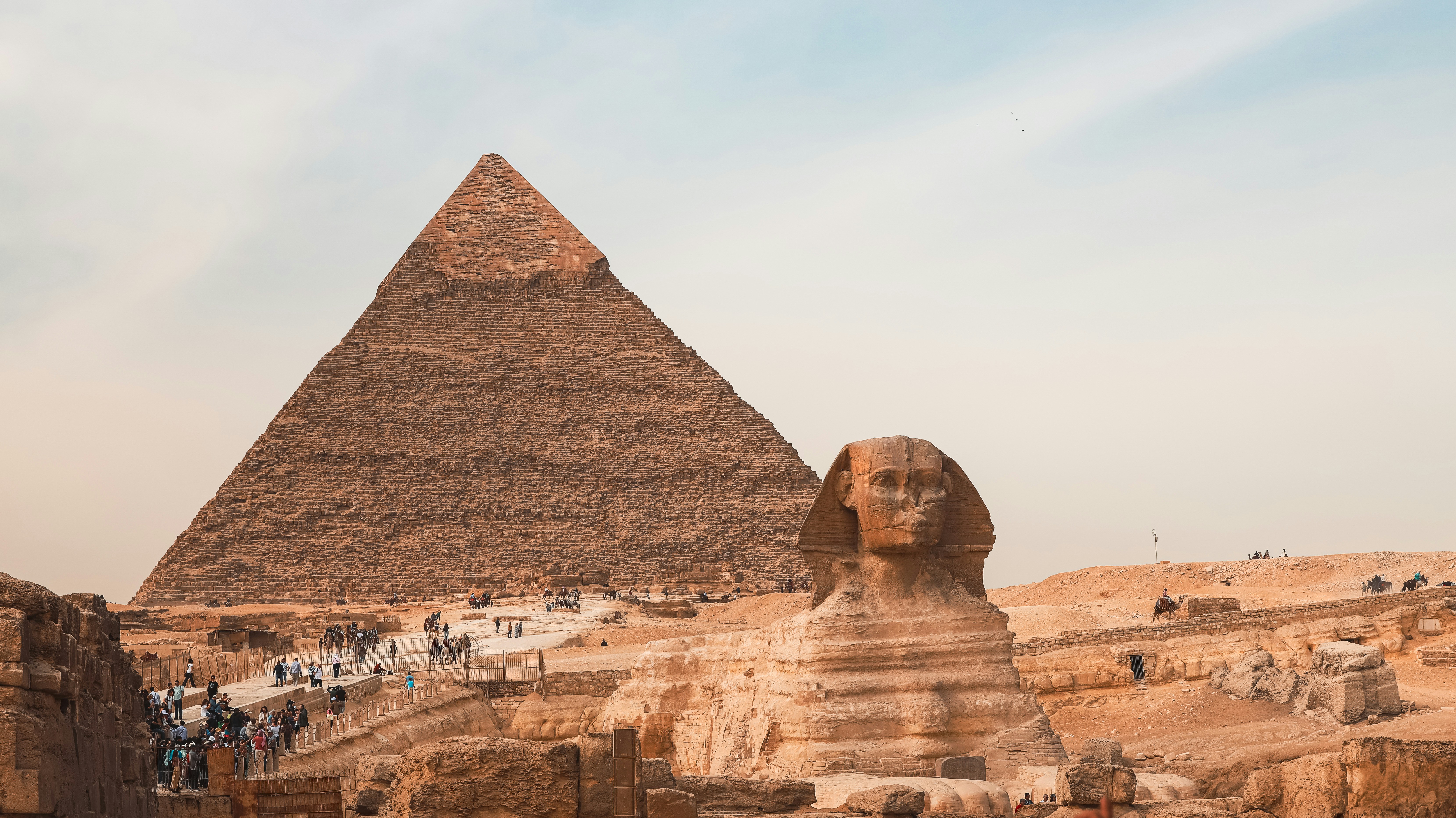
“Do I need vaccinations for Egypt?” is one of the questions we’re asked most as the clocks go back. Egypt is a favourite winter sun choice from the UK, with warm, dry days and short flight times. But not all Egypt holidays are the same. A week by the pool in Sharm El Sheikh or Hurghada carries different risks from a Nile cruise between Luxor and Aswan with trips into local towns.
The good news is that Egypt is one of the more straightforward winter sun destinations. Here’s what you’re likely to need for each type of trip, and what you can probably skip.
The short answer
For most people, an Egypt trip means:
- No malaria tablets – Egypt was certified malaria-free by the World Health Organization in 2024
- No yellow fever jab – unless you’re arriving from, or have spent more than 12 hours in an airport in, a country with yellow fever risk
- Hepatitis A and a tetanus booster – recommended for most travellers
- Typhoid – for some travellers, depending on how long you stay and where you eat
- Rabies and hepatitis B – worth considering for some trips
Which of these apply depends on where you stay, what you eat and how you spend your days.
Red Sea resort holidays: Sharm El Sheikh, Hurghada, Marsa Alam
If you’re mostly staying in an all-inclusive resort, your risks are lower. Food and water in larger hotels are usually well controlled, and much of your time is spent by the pool, on the beach or snorkelling.
For a typical resort holiday, the pharmacist will usually recommend:
- Hepatitis A – it’s spread through food and water, and it’s a risk even in good hotels. It’s one of the most common vaccine-preventable infections in travellers.
- Diphtheria, tetanus and polio – if your last booster was more than 10 years ago.
- Typhoid – not usually needed for a short resort stay, but worth discussing if you plan to eat out a lot or take day trips.
Snorkelling and diving in the Red Sea itself don’t need any extra vaccines. The main health risks there are sunburn, dehydration and the odd upset stomach.
Nile cruises: Luxor, Aswan and beyond
A Nile cruise feels like a relaxing trip, but it brings you into much closer contact with everyday Egypt. You’ll likely:
- Eat meals on board and in local restaurants
- Visit busy markets, villages and temple sites
- Spend time near the river and its banks
- Come across stray dogs and cats in towns and at tourist sites
That changes the advice. As well as hepatitis A and a tetanus booster, the pharmacist is more likely to recommend:
- Typhoid – worth considering because you’re eating more widely than in a resort
- Rabies – rabies is present in Egypt, and stray animals are common around towns and archaeological sites. A pre-travel course is especially worth considering if you’re travelling with children, who are more likely to stroke animals and less likely to mention a scratch.
A word about the Nile itself
However tempting on a hot day, don’t swim, paddle or bathe in the Nile or any freshwater canal. Fresh water in Egypt can carry schistosomiasis (bilharzia), a parasite that enters through the skin. There’s no vaccine for it, so avoiding contact is the only protection. Stick to the ship’s pool, hotel pools and the sea.
Cairo and independent travel
Spending time in Cairo, travelling independently or visiting family? You’re likely to need the fuller list: hepatitis A, typhoid, a tetanus booster, and possibly hepatitis B and rabies depending on how long you’re staying.
What HealthPoint vaccines for Egypt cost
| Vaccine | Who it’s for | Doses | HealthPoint price |
| Hepatitis A | Most travellers | 1 | £60 |
| Typhoid | Some travellers, such as Nile cruises, longer stays or visiting family | 1 injection or 3 oral tablets | £45 injection / £40 oral |
| Diphtheria, Tetanus and Polio | If no booster in the last 10 years | 1 | £45 |
| Rabies | Nile cruises, Cairo, children, longer stays | 2 | £80 per dose |
| Hepatitis B | Longer stays, medical work, higher-risk activities | 3 | £55 per dose |
For a typical Red Sea resort holiday, most people need one or two vaccines. For a Nile cruise, it’s usually two to four. Your pharmacist will recommend only what fits your trip. See our full Egypt vaccinations page for more detail.
When to book
Aim to see us four to six weeks before you travel. Hepatitis A and typhoid work best when given at least two weeks before departure. A rabies course is two doses given a week apart, so it needs a little more notice.
If your flight is sooner than that, don’t give up. Many travel vaccines still offer useful protection when given close to departure. Our guide to 48-hour departures explains what still works at short notice.
Egypt travel health tips
- Water: drink bottled water. Outside the big hotels, use it to brush your teeth too.
- Food: resort buffets are generally fine. Take more care with salads, unpeeled fruit and street food.
- Stomach upsets: these are common. Pack oral rehydration sachets and anti-diarrhoea tablets.
- Sun: even in winter the sun is strong, especially on deck or at temple sites. Take a hat, high-factor sunscreen and plenty of water.
- Flu season: flu is a risk in Egypt from October to March, as it is at home. If you’re due a flu jab, have it before you travel. Our guide to flu and Covid jabs this autumn explains who can get one free and what it costs privately.
For a full pre-trip run-through, use our Travel Health Checklist.
Combining Egypt with another trip?
If you’re heading to Egypt from a country with yellow fever risk, such as Kenya, Tanzania or The Gambia, or you’ve spent more than 12 hours in an airport in one of those countries on the way, you’ll need a yellow fever certificate to enter. Tell us your full itinerary when you book. Off to West Africa as well? See what to sort before you fly to The Gambia.
Not sure what you need? Our guide Which Travel Vaccines Do I Need? is a good place to start.
Book your free Egypt travel consultation
At HealthPoint Pharmacy, every travel consultation is free. A pharmacist will go through your itinerary, your plans and your medical history, and only recommend what you need.
- Colwall (Malvern Hills): Fletton House, Walwyn Road, Malvern WR13 6QG – 01684 498785 – Mon–Fri 9am–6pm, Sat 9am–1pm – branch details
- Bewdley: 66 Load Street, Bewdley DY12 2AW – 01299 518152 – Mon–Fri 9am–6pm, Sat 9am–5:30pm – branch details
Book your free travel consultation
Frequently asked questions
Do I need vaccinations for Egypt?
There are no compulsory vaccines for most UK travellers. Hepatitis A and an up-to-date tetanus booster are recommended for most people. Typhoid, rabies and hepatitis B depend on your trip.
Do I need malaria tablets for Egypt?
No. Egypt was certified malaria-free in 2024, so antimalarials aren’t needed.
Do I need a yellow fever certificate for Egypt?
Only if you’re aged over 9 months and arriving from a country with a risk of yellow fever transmission, or you’ve spent more than 12 hours in an airport in one.
Is a Nile cruise riskier than a Red Sea holiday?
For health purposes, usually yes. You’ll eat more widely, visit more local areas and be near fresh water and stray animals. That’s why typhoid and rabies are more likely to be recommended.
Can I swim in the Nile?
We’d advise against it. Fresh water in Egypt can carry schistosomiasis (bilharzia).